

Introduction
When a baby is prescribed antibiotics, it’s natural to want to understand what this might mean for your little one’s tummy, feeding and recovery. It’s a very common question, and the answer can be difficult to navigate when so much of the advice online focuses on the gut microbiome.
The reassuring thing to know is that your baby’s gut is incredibly adaptable. It’s still developing in the early months and years of life, so it naturally keeps changing as part of normal growth1.
As they are designed to work against bacteria, antibiotics prescribed after birth can temporarily change the mix of the microbes living in the gut1. In most cases, a short course of antibiotics means only a short-term change rather than a lasting one1.
What antibiotics can mean for a baby’s tummy
Antibiotics are medicines used to treat bacterial infections. For this reason, it is common for a baby’s tummy to seem a little different during or after treatment. You might notice looser stools, a bit more wind, or a slight change in feeding pattern2.
The good news is that a baby’s gut is developing all of the time. After treatment ends, the microbiome will start to move back towards its usual pattern again, although the timing can vary from baby to baby2.
What parents may notice during antibiotic treatment
Every baby is different. Some seem completely unchanged, while others are a little more unsettled for a few days.
Feeding may shift slightly
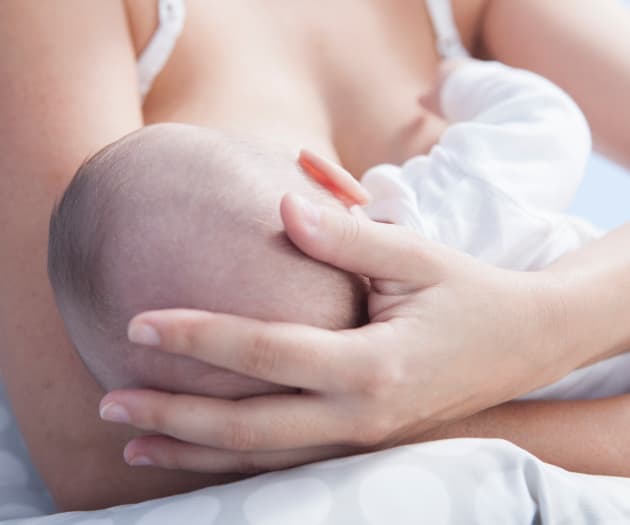
Some babies feed more frequently, some less, and some take smaller feeds for a short time. If your baby is otherwise comfortable and taking in enough fluid, that can simply be part of the body adjusting to medicine or recovering from illness.
For younger babies, breastmilk or formula provides both hydration and nutrition. For babies older than 6 months their regular milk feeds and age-appropriate foods can help things feel steady.
Poo may become looser
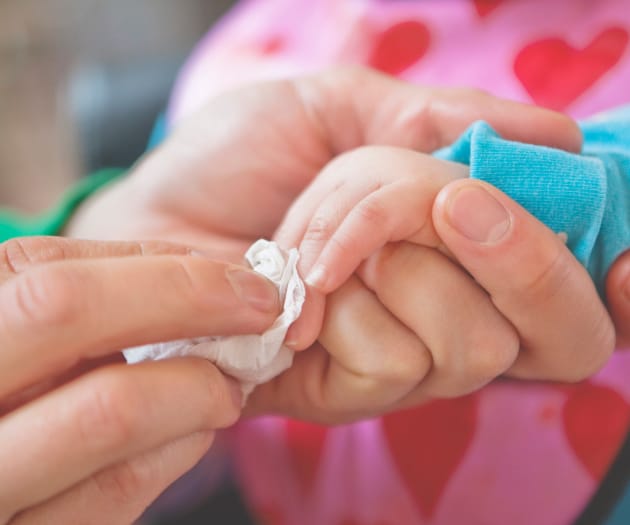
A looser poo pattern is one of the most common short-term changes while a baby is taking antibiotics. It usually settles once treatment is finished and the gut has time to rebalance2.
How to support your baby during antibiotic treatment
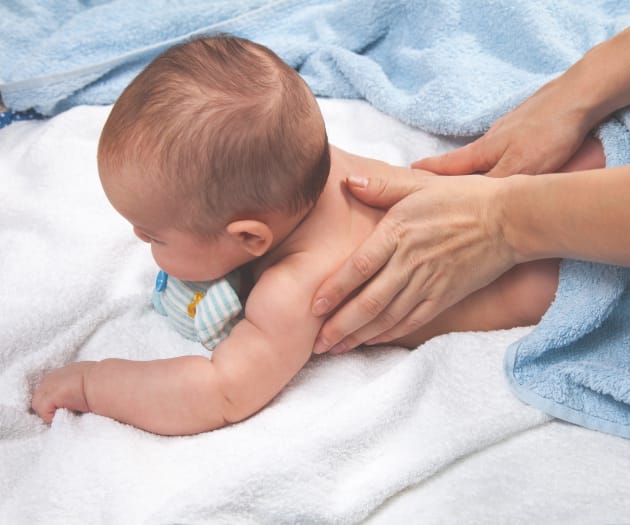
There is usually no need for anything complicated. Most helpful care is often the most familiar.
Keep feeding as usual where possible
Regular feeding is one of the simplest ways to support your baby throughout treatment. Whether you’re breastfeeding, using formula milk or age-appropriate foods, they all play a role in keeping your baby nourished and hydrated.
If your baby wants smaller or more frequent feeds for a short while, that can be completely normal. Following their cues is often the best guide.
Keep an eye on hydration
Fluids matter, especially if stools become looser or your baby is less enthusiastic about feeding. Wet nappies, energy levels and general alertness can give useful clues that your baby is taking in enough. For babies older than 6 months sips of water can also help boost hydration levels.
Give the medicine as prescribed
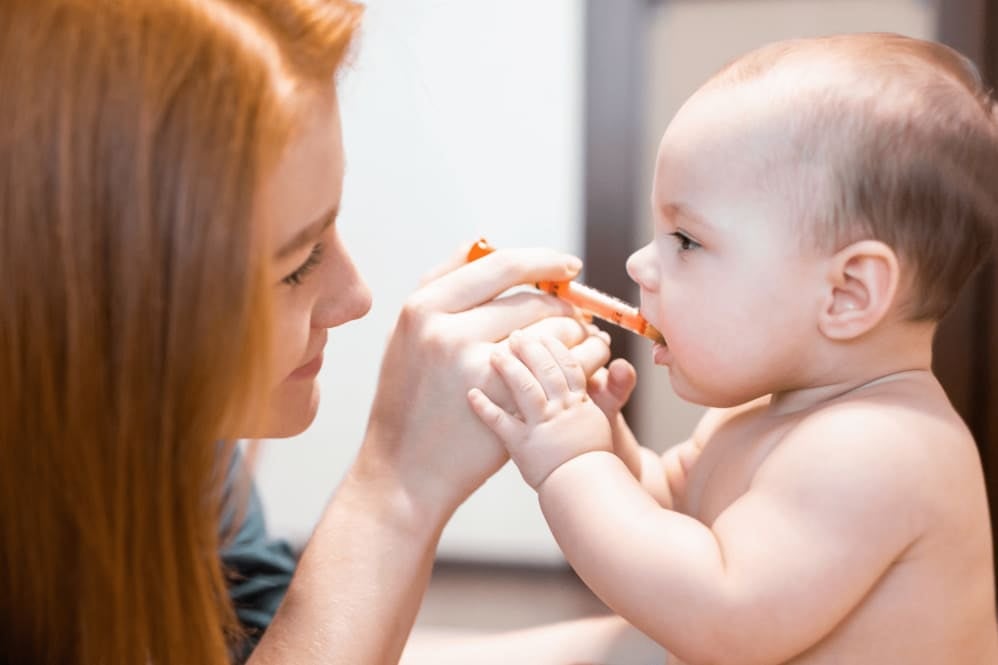
If your little one has been prescribed an antibiotic, make sure to give it exactly as directed by your doctor. It’s important to always finish the whole course even if they seem to have recovered part-way through the treatment. That helps the treatment do what it is meant to do and supports your baby’s recovery.
How to restore baby gut health after antibiotics?
Parents often ask how to ‘rebuild’ the gut after antibiotics. In practice, the answer is usually quite gentle – stick to your normal feeding patterns and routine, then give your baby’s tummy some time.
Feeding matters
In the early months, whether you are breastfeeding, formula feeding or a combination of both, regular milk feeds provide the foundation for growth and development. As your baby gets older and begins solids, a varied diet can help support the natural development of the gut microbiome and gut flora over time3. The main thing is consistency. Babies tend to do best with feeding that feels familiar.
Consider probiotic-rich foods for babies at weaning stage
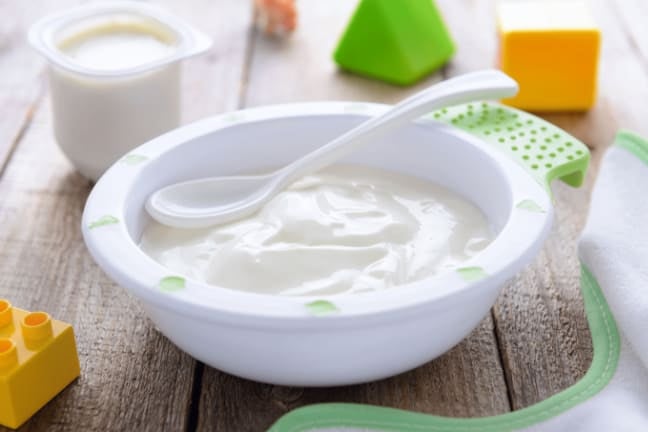
If your baby has already started solids, keeping a few familiar, gentle foods in the mix can help mealtimes stay steady while their gut naturally readjusts. During a course of antibiotics, be mindful of specific foods that support digestion, such as live yoghurt or fermented milk drinks, such as kefir. These foods are known as probiotics, meaning they are naturally rich in ‘good’ bacteria, which contributes to a healthy gut.
If you’d like to learn more about probiotics and prebiotics for babies, read SMA®’s guide on what they are, how they differ and where they may fit into your baby’s diet.
How long will my baby’s gut take to recover from antibiotics?
There is no single timeline that fits every baby. Some babies seem to settle within days, while for others it may take a little longer for stools, feeding and tummy comfort to return to their usual pattern.
Scientific research shows that your baby’s gut should begin to move back towards balance once the course of antibiotics ends2. In everyday terms, that means your baby’s microbiome keeps developing and adapting, rather than staying in one fixed state. That is why it can help to think of the microbiome and gut health more generally as something that is always evolving.
Can I take antibiotics while pregnant or breastfeeding?
It is natural for parents to wonder about antibiotics prescribed during pregnancy or while breastfeeding. The reassuring point is that a baby’s gut continues to develop over time, and many different things can play a part in that early gut health journey.
Antibiotics during pregnancy
If antibiotics are needed in pregnancy, that is usually because a doctor thinks this will be the right choice for both mother and baby. At this stage, the baby’s gut is still developing, and the earliest foundations of gut health are influenced by the wider pregnancy environment3. So, while that means antibiotics in pregnancy could be one of several factors in the story of infant gut health, the course of antibiotics will not define it.
Explore SMA®’s complete guide to learn more about gut health during pregnancy
Antibiotics while breastfeeding
If antibiotics are needed while breastfeeding, breastfeeding can still be highly beneficial for your baby. In early-life studies, when antibiotics do affect the infant gut after birth, the microbiome often begins to move back towards its usual balance once treatment ends2. Plus, it’s important to remember that breastfeeding is one of the things that helps support your baby’s developing microbiome over time3.
If you’re ever unsure, or you just want some extra reassurance, it’s always best to speak to a healthcare professional, or your GP.
When should I seek medical advice?
It is best to seek guidance if your baby:
- Is feeding much less than usual
- Has significantly fewer wet or dirty nappies
- Has ongoing diarrhoea or vomiting
- Or simply does not seem like themselves
If anything feels out of the ordinary, a pharmacist, health visitor, GP or paediatric team can help.
Antibiotics and your baby’s gut: what to remember
While prescribed antibiotics may temporarily change a baby’s gut microbiome, the infant gut is a developing system that is designed to continuously adapt and mature. For many babies, things settle again with time, ordinary feeding and routine care.
It is always best to follow your doctor’s prescribed course of treatment, keep feeding as normal where possible, and support your baby through the course as you would any other short period of illness.

Author
Sophie Mumby
Registered Dietitian
Sophie is a Registered Dietitian with over 10 years experience working across NHS and private practice. She has a first class honours undergraduate masters degree in Nutrition and Dietetics and a post graduate certificate in eating disorders.
Share on